
Trenches Cut for Buried Infrastructure
Utility Trenching in Robards for properties needing water lines, electrical conduit, drainage systems, or underground utility installation
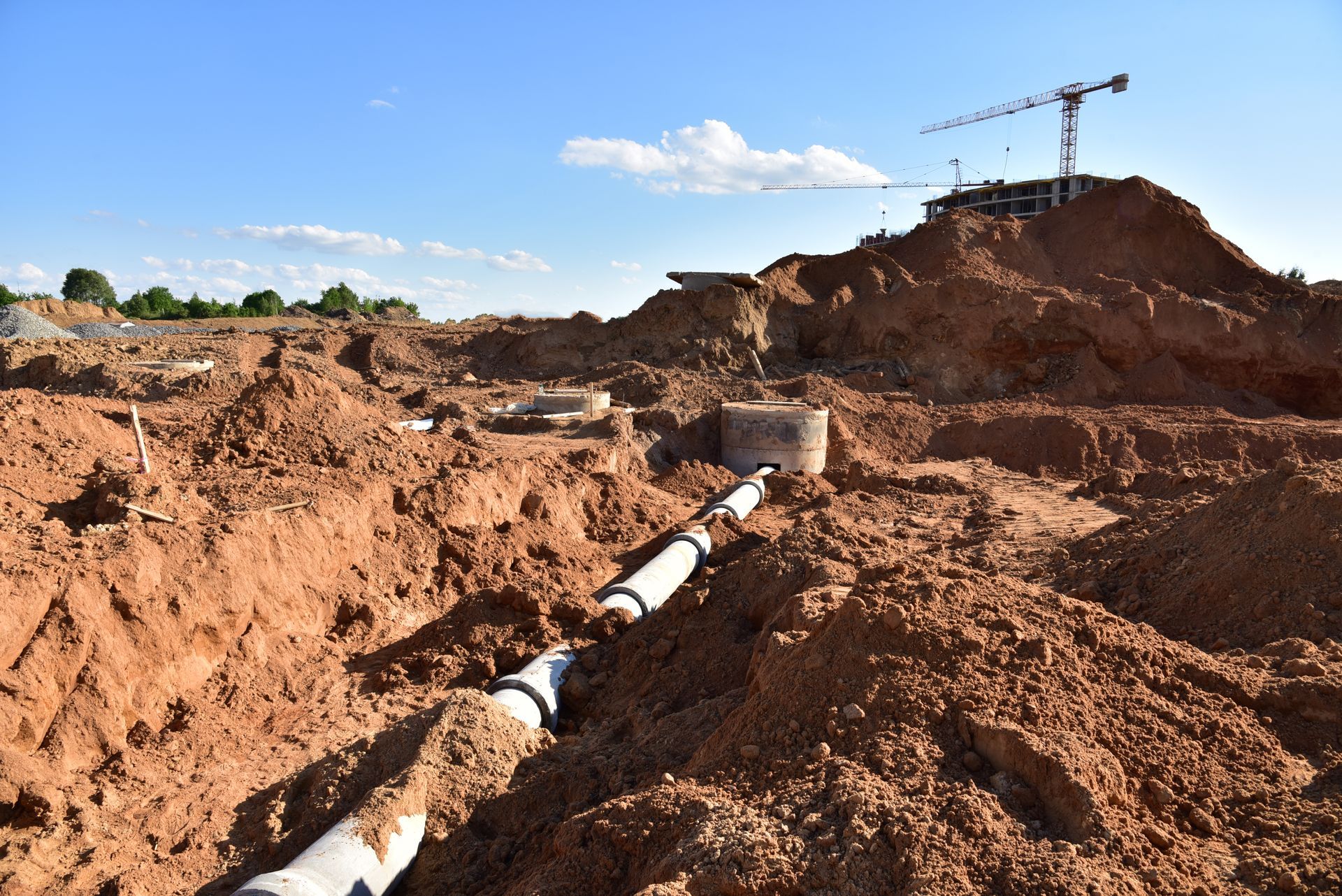
Underground utilities require trenches excavated to specific depths and widths that protect pipes and conduit from surface loads while allowing proper bedding and backfill compaction. Trenching cuts through root zones, crosses under driveways, and navigates around existing buried lines that must remain undisturbed during excavation. PRIEST HAULING & EXCAVATING provides precision trenching for residential water and sewer connections, agricultural irrigation lines, commercial electrical installations, and drainage systems where depth control and accurate placement prevent future failures or conflicts with other infrastructure.
Trenching work involves excavating narrow channels to depths specified by utility codes or project engineers, maintaining stable trench walls in loose or wet soil, and stockpiling excavated material for backfill after lines are installed. Equipment selection depends on trench depth, width requirements, and site access—compact machines work in restricted areas, while larger excavators handle deep utility runs across open ground. Coordination with utility installers ensures trenches are ready when pipe or conduit arrives on site, and backfilling happens promptly after inspection to minimize open trench exposure.
Discuss trenching needs with our crew to coordinate excavation timing with your utility installation schedule.
Excavation begins with locating existing utilities using marked lines and tracer wire, then cutting trenches to grade using laser or string line references that maintain consistent depth. Trench bottoms are smoothed to eliminate rocks or debris that could damage pipe, and granular bedding is placed before utilities are laid. Sidewalls are cut as narrow as practical to reduce backfill volume while providing clearance for workers to join sections and make connections.
Once utilities are installed and inspected, trenches are backfilled in lifts and compacted to prevent settling that causes surface depressions over buried lines. You notice the ground returns to grade without low spots, driveways crossed by trenches remain stable under vehicle traffic, and no voids remain around pipe that could lead to future collapse. Water lines buried below frost depth function without winter freezing, and electrical conduit stays protected from mechanical damage caused by surface activity.
Trenching services include excavation for residential septic laterals, drainage tile installation for wet properties, and underground conduit runs for farm or commercial power systems. Projects requiring multiple parallel trenches or complex routing around obstacles need advance planning to sequence excavation and minimize restoration work. Properties with rocky subsoil or high water tables require equipment capable of handling difficult digging conditions and stabilizing trench walls long enough for utility installation.
Answers to Frequent Service Questions
Contractors and property owners planning utility installations typically want to know about depth requirements, site restoration, and how soil conditions affect trenching.
How deep do utility trenches need to be?
Water lines must go below frost depth—typically 24 inches in Western Kentucky—while electrical conduit depth varies by voltage and whether the run is under driveways or landscaped areas.
What happens to soil removed during trenching?
Excavated material is stockpiled beside the trench for backfill after utilities are installed, and excess soil is spread on the property or hauled away if the site cannot accommodate it.
Why do some trenches settle after backfilling?
Inadequate compaction leaves voids that collapse under surface loads, and backfill placed in thick lifts does not consolidate properly, causing depressions that appear weeks or months later.Inadequate compaction leaves voids that collapse under surface loads, and backfill placed in thick lifts does not consolidate properly, causing depressions that appear weeks or months later.
What preparation does a property need before trenching starts in Robards?
All existing utilities must be marked by locating services, and the trench route must be cleared of obstacles like stored equipment, firewood, or landscaping features that block excavation.
When should trenching be avoided due to weather?
Heavy rain saturates soil and causes trench walls to collapse, while frozen ground prevents accurate depth control and makes excavation inefficient—dry conditions provide the best working environment.
PRIEST HAULING & EXCAVATING coordinates trenching work with utility installers and inspectors to keep projects moving without delays caused by scheduling conflicts. Set up a consultation to review your trenching requirements and confirm excavation logistics for your utility project.