
Foundations Set on Stable, Level Ground
Grading and Site Preparation in Robards for properties requiring leveled building pads, driveway bases, or improved surface drainage before construction begins
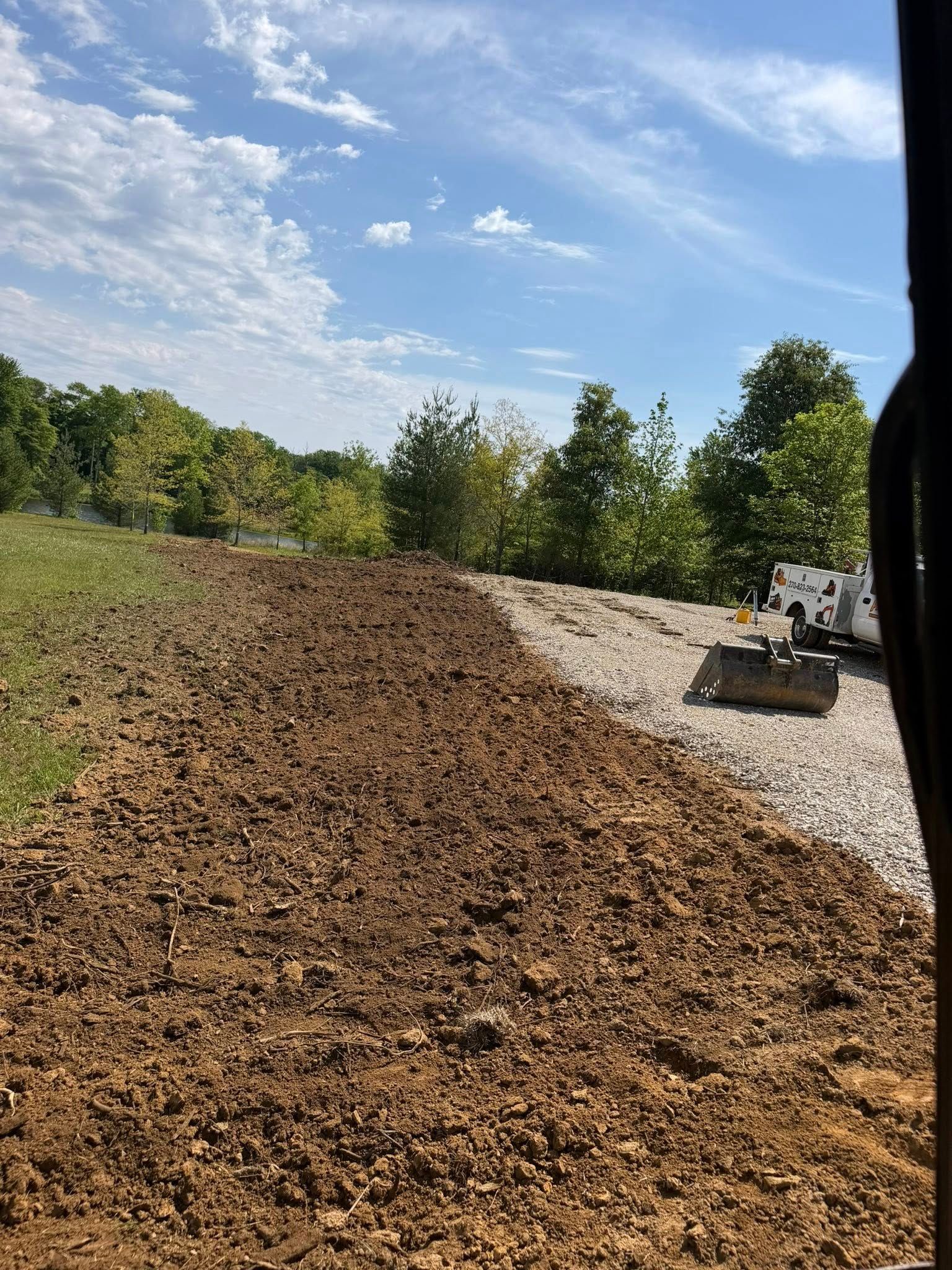
Proper site preparation determines whether structures sit level, water drains correctly, and driveways stay intact through freeze-thaw cycles and heavy use. PRIEST HAULING & EXCAVATING grades residential lots, commercial sites, and agricultural properties across Robards and Western Kentucky, establishing elevations that support construction while directing runoff away from buildings and paved areas. Site prep involves more than pushing dirt around—it requires understanding how compaction affects settling, how existing soil drains, and what grades prevent water from pooling against foundations or washing out access roads during storms. You'll notice the difference when concrete gets poured on level, compacted ground and when the first heavy rain sheets off the property instead of collecting in low spots.
Grading starts with rough cutting that removes high areas and fills low spots to approximate final elevations, followed by finish grading that refines surface contours to exact slopes specified in site plans or needed for proper drainage. Equipment passes compact loose fill in layers—typically six-inch lifts—to prevent settling that causes cracks in slabs, driveways, or pavement. Western Kentucky clay requires moisture control during compaction: too wet and it becomes plastic and unstable; too dry and it won't bind into a solid mass.
Request a site prep estimate to review grading requirements and material needs for your construction project.
Site preparation includes stripping and stockpiling topsoil for later use, removing organic material and roots that decompose and create voids under structures, and establishing subgrade elevations that match architectural plans or drainage objectives. Building pads get graded level within tolerances that concrete crews or framers require—usually within one inch over ten feet—while surrounding areas slope at two percent minimum to direct water away from structures. Driveway bases need consistent crown or cross-slope that sheds water toward edges rather than allowing it to run down the center and erode the base.
After grading finishes, you'll see defined elevations that direct water away from foundations toward drainage pathways, access routes that stay firm under vehicle traffic because subgrade got compacted properly, and building pads that hold grade without settling or developing low spots during construction. The work becomes visible when utilities get installed in trenches cut to consistent depth and when concrete trucks navigate the site without sinking into soft ground or creating ruts that require regrading.
Site preparation also includes considering future phases—leaving room for septic system installation, establishing grades that accommodate planned landscaping or retaining walls, and avoiding cuts or fills that interfere with utility easements or setback requirements. Some sites need imported fill material when existing soil contains too much organic content or when raising final grades above flood-prone elevations.
Answers to Frequent Service Questions
Site preparation decisions affect every subsequent construction phase, so property owners typically ask detailed questions about process, timing, and material handling before work starts.
What does rough grading versus final grading involve?
Rough grading establishes general site contours and major elevation changes using dozers or scrapers that move large volumes of dirt quickly but leave surfaces with ruts and uneven areas. Final grading smooths the surface to within inches of required elevations using box blades or laser-guided equipment, preparing the site for concrete placement, paving, or seeding.
How is compaction verified after fill gets placed?
Equipment operators track the number of passes over each area and monitor how the ground responds—properly compacted fill stops showing tracks and feels firm underfoot rather than spongy or loose. Some projects require testing with nuclear density gauges or plate compactors that measure soil density against engineering standards before concrete or pavement gets placed.
When does site prep happen in the construction sequence?
Grading typically follows land clearing and precedes foundation excavation, utility trenching, or driveway installation. Rough grading may occur months before building starts to allow fill material time to settle, while final grading happens immediately before construction crews need accurate elevations for layout and forming.
What happens if the site has rock near the surface?
Shallow bedrock or large rock layers require removal if they interfere with foundation depth or utility trenches, adding excavation time and potentially requiring rock hammers or specialized equipment. Rock can sometimes be left in place and worked around if building designs adjust or if structures sit on shallow foundations that don't penetrate to rock level.
How do grades affect where water goes during storms?
Every site needs positive drainage—slopes that direct water away from structures and toward streets, ditches, or natural drainage courses. In Robards, minimum slope is typically two percent for paved areas and three to five percent for turf areas to overcome clay soil's slow infiltration and move water off the property before it ponds or erodes exposed ground.
PRIEST HAULING & EXCAVATING provides grading and site prep services for residential, commercial, and agricultural projects throughout Western Kentucky. Schedule a consultation to discuss your property's preparation requirements and receive a detailed project estimate.