
Water Features Built for Permanent Retention
Lake & Pond Construction & Repair in Robards for properties requiring reliable water retention, erosion control, or agricultural infrastructure
PRIEST HAULING & EXCAVATING digs custom ponds and lakes throughout Western Kentucky and Southwestern Indiana, using heavy excavation equipment to shape basins that hold water permanently. You need this service when your property requires a livestock watering source, a stormwater retention system, or a recreational fishing pond that won't leak or wash out after seasonal flooding. The local clay and soil profiles in the Robards area allow for natural water retention when basins are excavated to proper depths with correct compaction techniques.
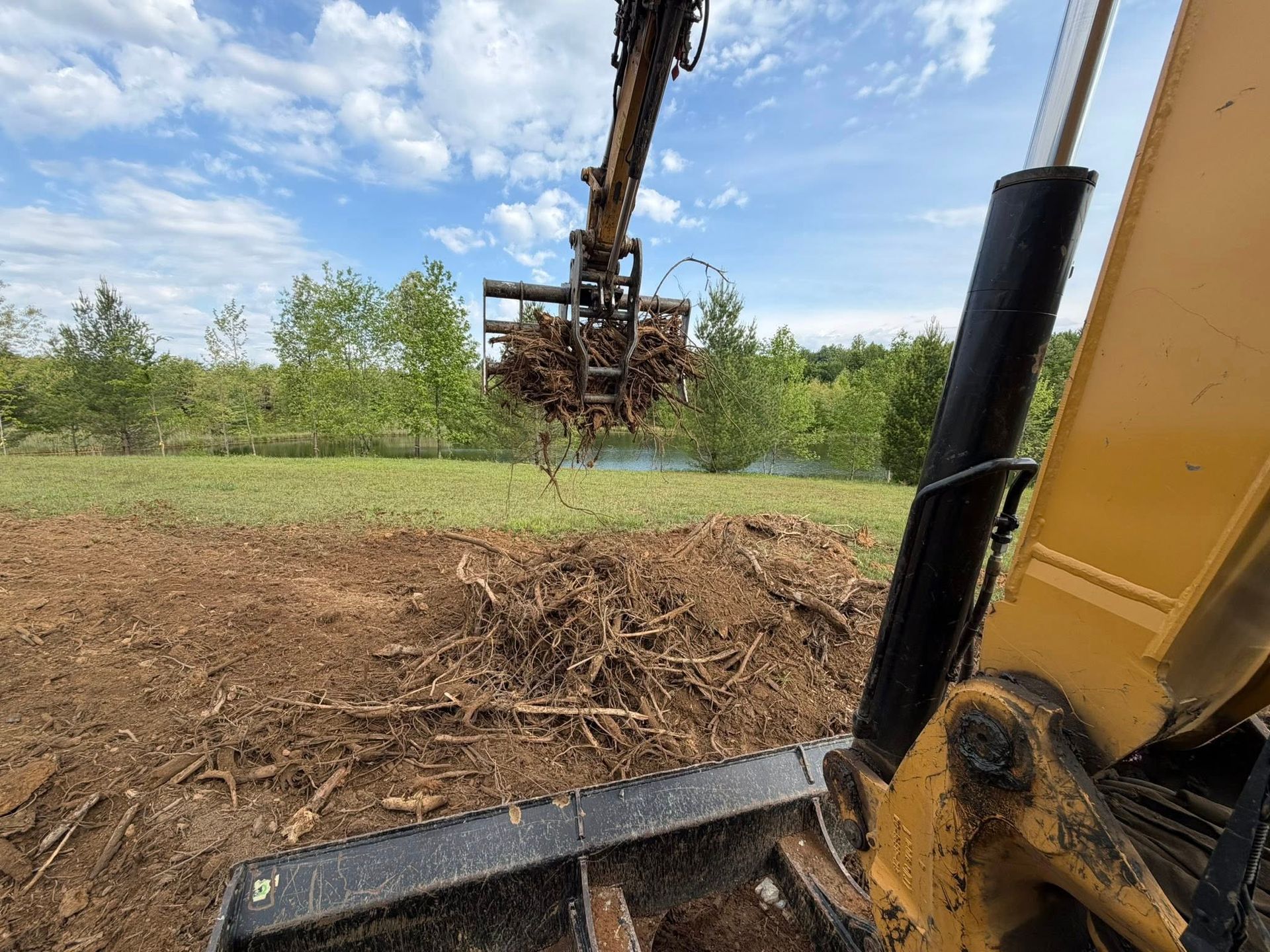
The work involves clearing vegetation, excavating to depths that intersect the water table or capture runoff, shaping gradual banks that resist erosion, and installing spillways or culverts to manage overflow during heavy rainfall. If your soil contains porous layers that allow seepage, bentonite clay application or compacted clay liners seal the basin floor to prevent water loss through underground faults.
Schedule a site assessment to evaluate soil composition, drainage patterns, and excavation requirements for your property.
Your pond or lake holds water when the basin floor reaches clay layers that naturally resist seepage, or when we install clay blankets across porous soil and compact them with the weight of our dozers to eliminate gaps. The depth matters because shallow basins lose water to evaporation in summer heat, while depths of eight to twelve feet maintain cooler temperatures that support fish populations and reduce algae growth.
After excavation finishes, your property features a water source with stable banks that shed rainfall without gullying, a functional spillway that directs overflow away from the dam structure, and a basin floor sealed against leaks. The shoreline remains accessible for livestock or recreational use, and the water level stays consistent through dry months because the underlying clay layer holds moisture.
For existing ponds, repair work addresses collapsed embankments, silted-in basins that have lost depth over decades, and leaking dams where water seeps through cracks or animal burrows. We remove accumulated muck with excavators, reshape eroded banks to restore original slopes, and apply additional clay material to seal compromised sections of the levee.
What Landowners Ask Before Excavation
Building a pond or lake on rural acreage in Western Kentucky involves decisions about placement, size, and long-term maintenance. These answers address the practical concerns that come up during the planning phase.
How deep should the basin be excavated?
Most farm ponds in this region require depths of at least eight feet to intersect the water table and maintain volume during summer evaporation, though fishing ponds often benefit from depths of ten to twelve feet to support bass and bluegill populations year-round.
What prevents the pond from leaking after construction?
Proper compaction of the basin floor and the use of native clay layers or applied bentonite clay create an impermeable barrier that stops water from seeping into porous subsoil, and we test soil samples during site assessment to identify whether natural clay is present or if sealing materials are needed.
Why does spillway installation matter?
Without a controlled overflow system, heavy rainfall causes water to breach the dam at its weakest point, which erodes the embankment and can collapse the entire structure, so we install pipe culverts or graded spillways that direct excess water safely away from the levee.
How long does mucking out an existing pond take?
Removing decades of accumulated silt and organic debris depends on basin size and access for equipment, but most residential ponds in Robards or Henderson can be dredged and reshaped within several days once excavators reach the site.
When should pond repair happen instead of reconstruction?
If your existing pond loses water slowly due to minor seepage or has shallow sections filled with sediment, targeted repairs like clay liner application or dredging restore function without the cost of complete re-excavation, though ponds with collapsed dams or severe structural failure often require full rebuilding.
PRIEST HAULING & EXCAVATING handles site preparation, excavation, sealing, and spillway installation for properties across Western Kentucky and Southwestern Indiana. Contact us to discuss your water feature goals and arrange an on-site consultation to evaluate soil conditions and drainage requirements for your acreage.