
Water Flow That Stops Erosion Problems
Culvert and Drain Pipe Installation in Robards for properties with driveway washouts, standing water, or inadequate drainage infrastructure
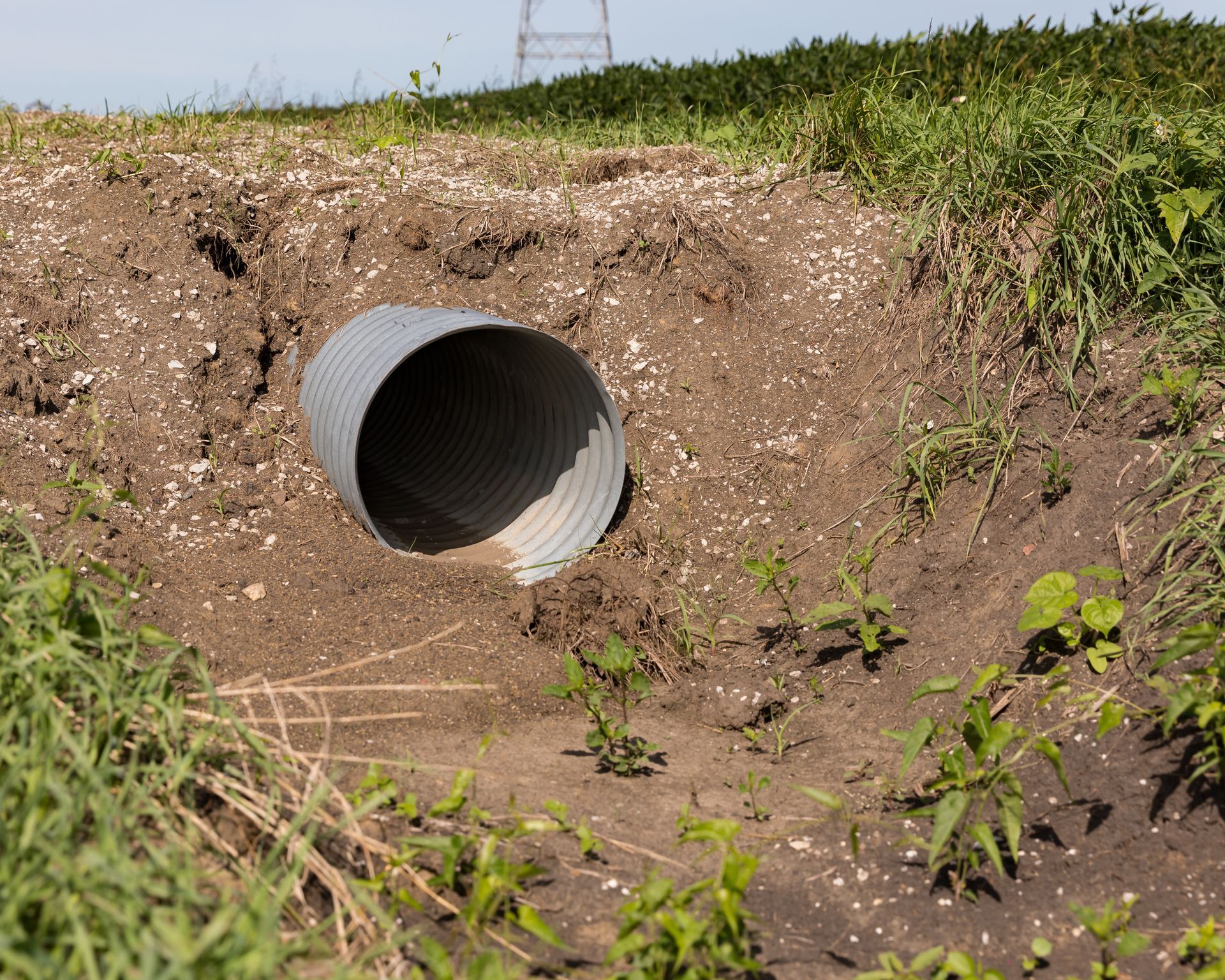
Driveway culverts wash out when undersized pipe cannot handle the volume of runoff from uphill drainage areas, leaving gravel scattered across ditches and ruts deep enough to ground vehicles. PRIEST HAULING & EXCAVATING installs culvert systems and drainage pipe for residential driveways, farm access roads, and commercial entrances where water crosses under travel surfaces or needs controlled routing away from structures. Proper culvert installation prevents erosion that undercuts roadbeds and eliminates standing water that turns access points into impassable mud during storms.
Culvert work involves sizing pipe diameter based on the drainage area contributing runoff, setting inlet and outlet elevations to maintain flow velocity, and backfilling with compacted stone to support the weight of vehicles without pipe deflection. Ditch drainage systems tie into culverts using corrugated plastic or metal pipe buried at depths below frost line to prevent heaving. Western Kentucky soil with high clay content sheds water rapidly during heavy rain, so undersized culverts quickly overwhelm and cause backup that floods driveways or washes gravel onto roadways.
Arrange a property walkthrough to evaluate drainage patterns and determine culvert sizing for your driveway or access road.
Installation begins with excavating the trench to proper depth and slope, then bedding the pipe on compacted stone that prevents settling. Culvert ends are positioned to align with ditch flow without creating abrupt elevation changes that cause turbulence and scour. Headwalls or riprap are added at outlets where discharge velocity could erode soil, and inlets are set flush with ditch grade to capture surface flow without obstruction.
Once the system is installed, runoff moves through culverts without pooling at driveway entrances, and ditches remain defined without sediment filling the channel. Gravel stays in place during storms because water flows beneath the surface instead of across it. You notice driveways remain passable immediately after rain, and erosion that previously cut gullies along access roads stops progressing.
Culvert installation also includes replacing damaged or undersized pipe, extending existing systems to reach new drainage areas, and adding catch basins where surface water collects before entering underground lines. The choice between corrugated metal and plastic pipe depends on load rating requirements, soil acidity, and expected service life. Farms with livestock or heavy equipment traffic require pipe strong enough to handle repeated loading without crushing or joint separation.
Common Questions About This Service
Landowners planning drainage improvements typically ask about pipe sizing, installation depth, and maintenance after the system is in place.
How is culvert size determined for a driveway?
Pipe diameter depends on the area draining into the culvert, expected rainfall intensity, and ditch slope—undersized pipe causes backup and overflow during storms.
What depth is required for drain pipe installation?
Pipe must sit below frost depth to prevent heaving, typically 18 to 24 inches in Western Kentucky, and maintain enough slope for gravity flow without standing water.
Why do some culverts fail after only a few years?
Improper bedding allows pipe to settle and lose slope, inadequate compaction causes voids that lead to collapse, and undersized diameter creates pressure that blows out joints or ends.
What maintenance does a culvert system need in Robards?
Inlets and outlets should be cleared of debris that blocks flow, and sediment buildup inside the pipe needs periodic flushing to maintain full flow capacity.
When should existing culverts be replaced instead of repaired?
Replacement is necessary when pipe walls have corroded through, joints have separated enough to leak fill material, or diameter is too small for current drainage loads.
PRIEST HAULING & EXCAVATING provides drainage solutions sized for the specific runoff conditions on your property. Contact our team to schedule a drainage consultation and review options for culvert installation or system upgrades.