
Material Movement That Supports Every Phase
Hauling and Dirt Work in Robards for construction projects, property grading, debris removal, and land improvement requiring material handling
Dirt spreading corrects drainage problems by filling low spots where water pools after rain and reshaping grades so runoff moves toward ditches instead of collecting against foundations or driveways. Construction sites generate debris piles that obstruct equipment access, and grading projects require moving soil from cut areas to fill zones across properties where elevations need adjustment. PRIEST HAULING & EXCAVATING handles hauling and dirt work for residential builds, commercial site preparation, farm improvements, and cleanup projects where material movement is necessary to complete excavation, grading, or drainage corrections.
Hauling services include transporting excavated soil, delivering fill dirt or gravel, removing construction debris, and moving material stockpiles to designated areas on or off the property. Dirt work involves spreading and compacting fill, rough grading to establish drainage slopes, and reshaping land to match site plans or improve usability. Equipment capability determines how efficiently material moves—larger loads reduce trips, but truck size must match site access and road conditions between the property and disposal or supply locations.
Request an estimate based on material volume, haul distance, and site conditions affecting equipment access.
Hauling begins with loading material using excavators or loaders that fill trucks to legal weight limits without spilling during transport. Routes are planned to minimize travel time, and dump locations are coordinated in advance whether material goes to disposal facilities, other job sites, or designated fill areas. Dirt work includes spreading loads evenly, compacting fill in lifts to prevent future settling, and fine-grading surfaces to specified elevations or drainage slopes.
After hauling and dirt work are complete, construction sites are cleared of debris piles that interfered with staging or equipment movement, and properties show improved drainage with water flowing away from structures instead of standing in low areas. Fill zones are compacted firm enough to support traffic or structures without settling, and grades match site plans so subsequent work proceeds without elevation corrections. PRIEST HAULING & EXCAVATING coordinates material movement with project schedules to keep excavation and construction phases progressing without delays caused by full trucks waiting or insufficient fill material on site.
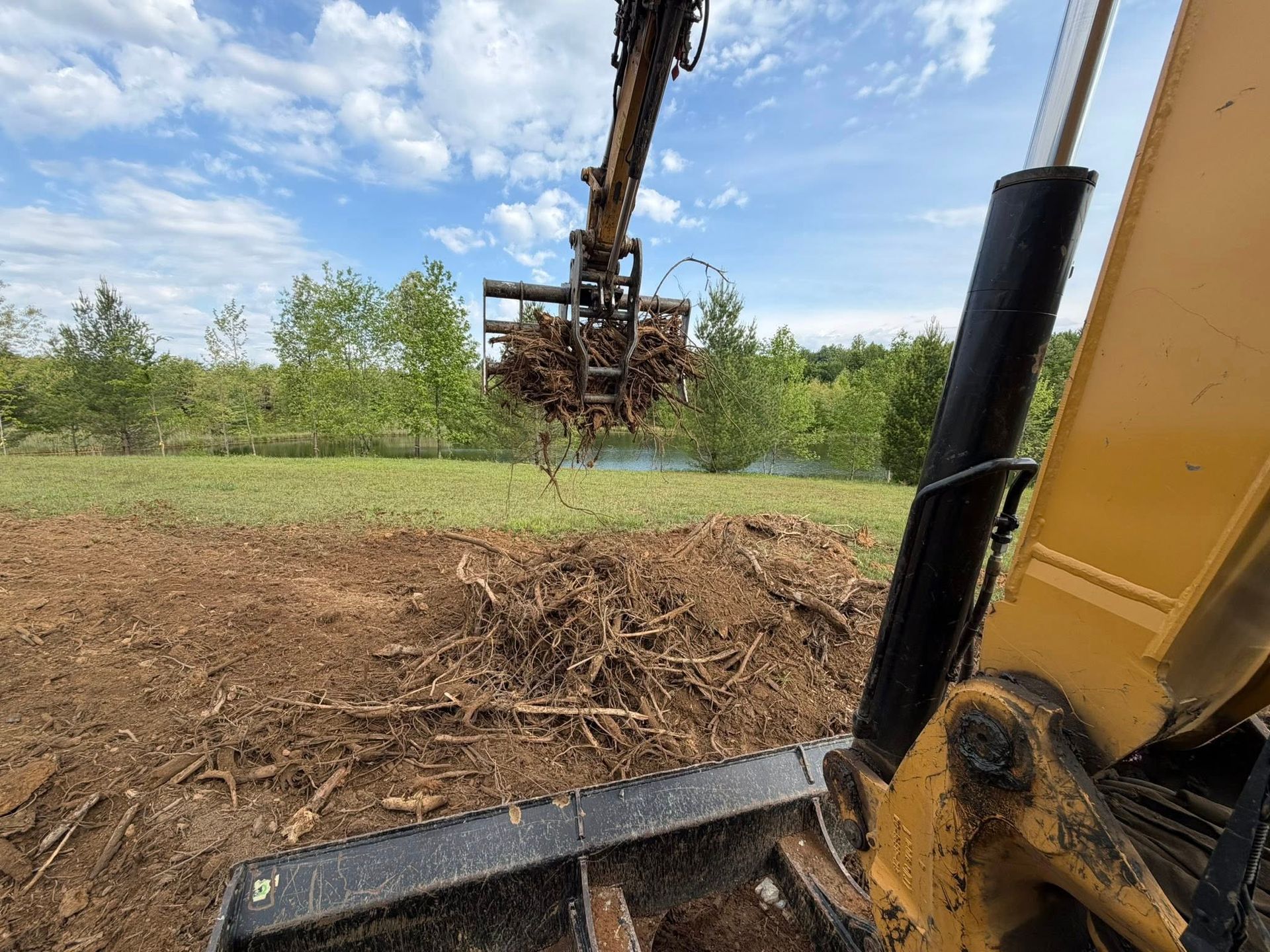
Services include hauling for excavation projects generating excess dirt, delivering topsoil or gravel for landscaping and access roads, and cleanup hauling after demolition or storm damage. Material handling for large rural properties may involve moving dirt from pond excavation to low pasture areas, hauling gravel for farm lane maintenance, or removing brush piles and root balls left from land clearing. Timing depends on weather conditions that affect soil moisture and truck access, and wet periods require postponing work until ground firms enough to support loaded equipment.
Common Questions About This Service
Property owners and contractors planning projects that require material handling often ask about capacity, site access, and how dirt quality affects grading results.
What types of material can be hauled?
Services include soil excavated from trenches or ponds, construction debris such as broken concrete and lumber, gravel or stone for roads and drainage, and topsoil for finish grading or landscaping.
How is hauling cost determined?
Pricing depends on material volume measured in cubic yards, haul distance between load and dump sites, and number of truck trips required to move the total quantity.
Why does fill dirt need compaction after spreading in Robards?
Clay-heavy soil common in Western Kentucky shrinks as it dries after placement, and uncompacted fill settles unevenly under loads or moisture changes, causing depressions and drainage problems.
What site access do hauling trucks require?
Standard dump trucks need firm ground or gravel drives capable of supporting 25 to 30 tons, gate openings at least 12 feet wide, and overhead clearance free of low branches or utility lines.
When does weather delay hauling and dirt work?
Heavy rain turns access routes into mud that traps trucks, and saturated soil cannot be compacted properly, so hauling waits until conditions dry enough for safe equipment operation.
PRIEST HAULING & EXCAVATING provides reliable hauling and dirt work for projects across residential, commercial, and agricultural properties in Western Kentucky. Call our crew to discuss material handling needs and schedule hauling services that keep your project on track.